
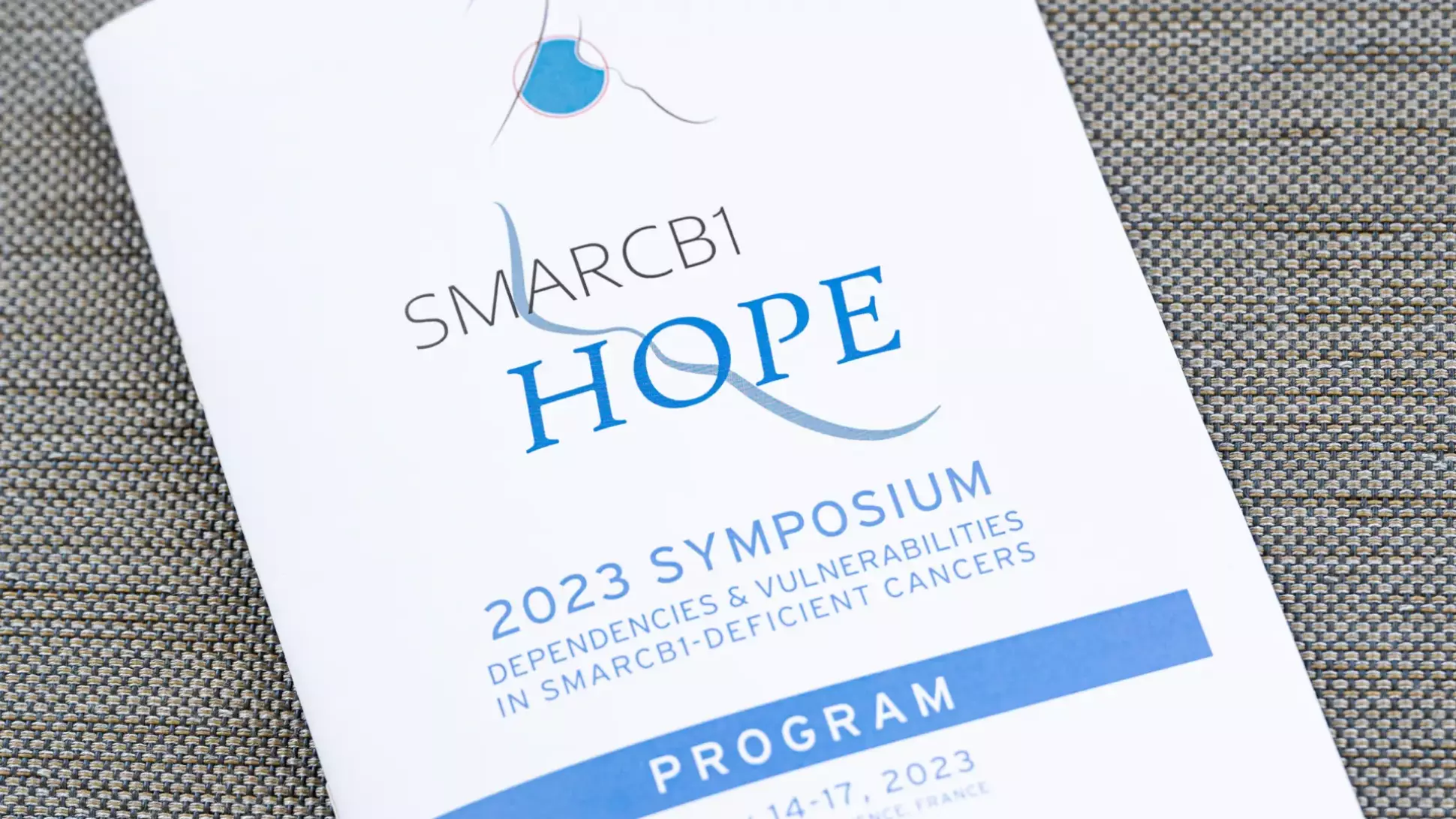
Symposium SMARCB1 Hope 2023
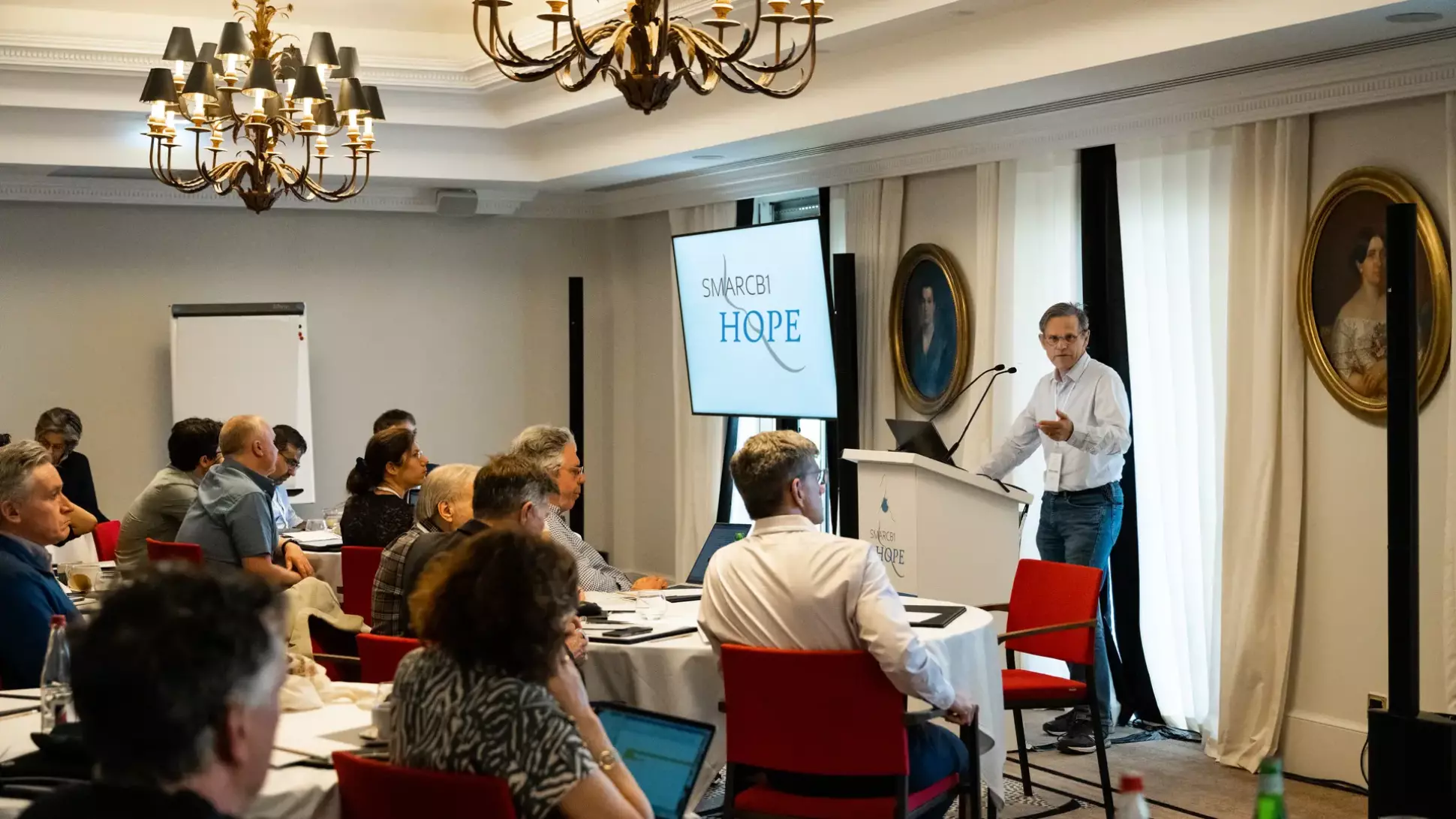
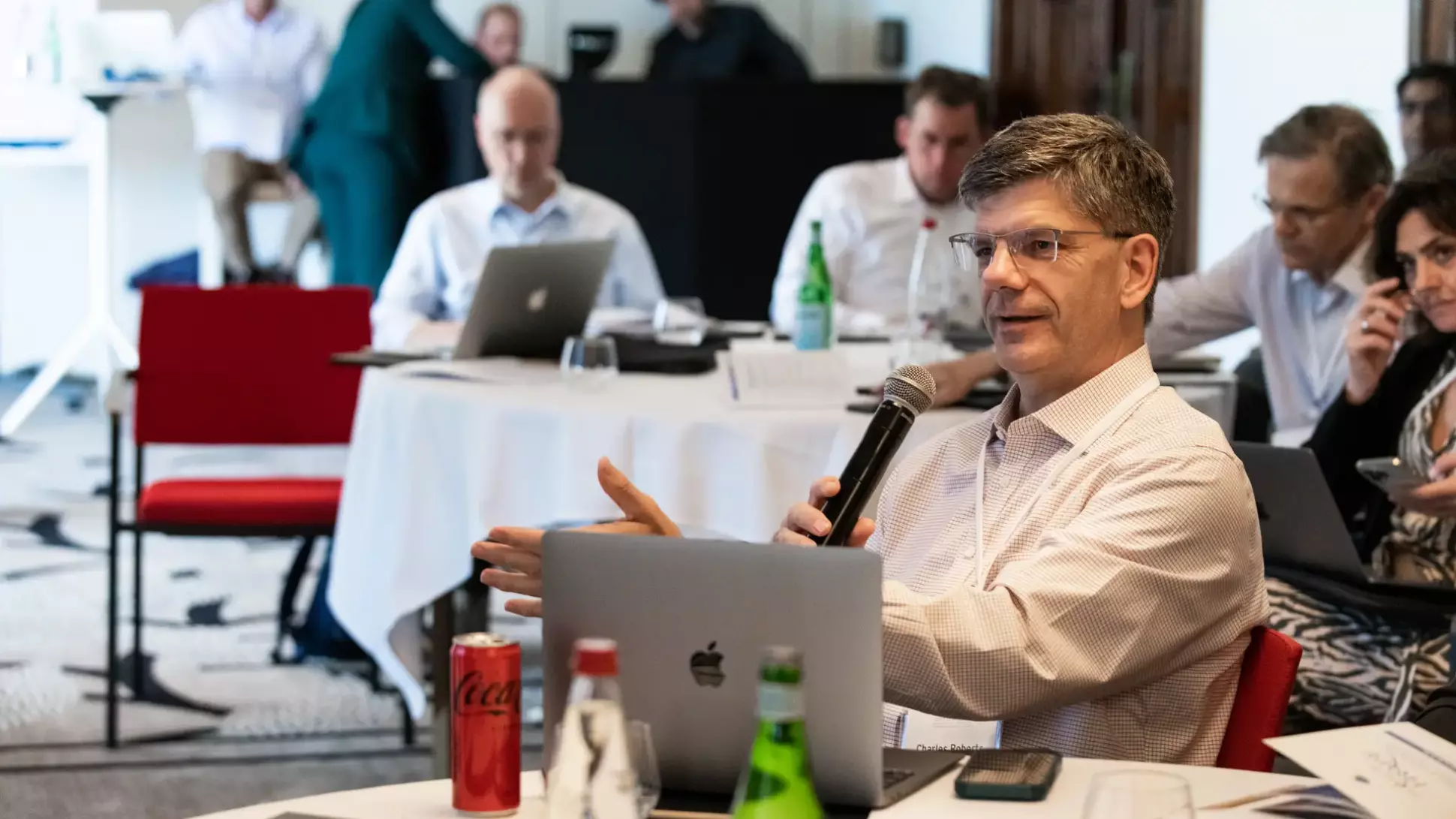
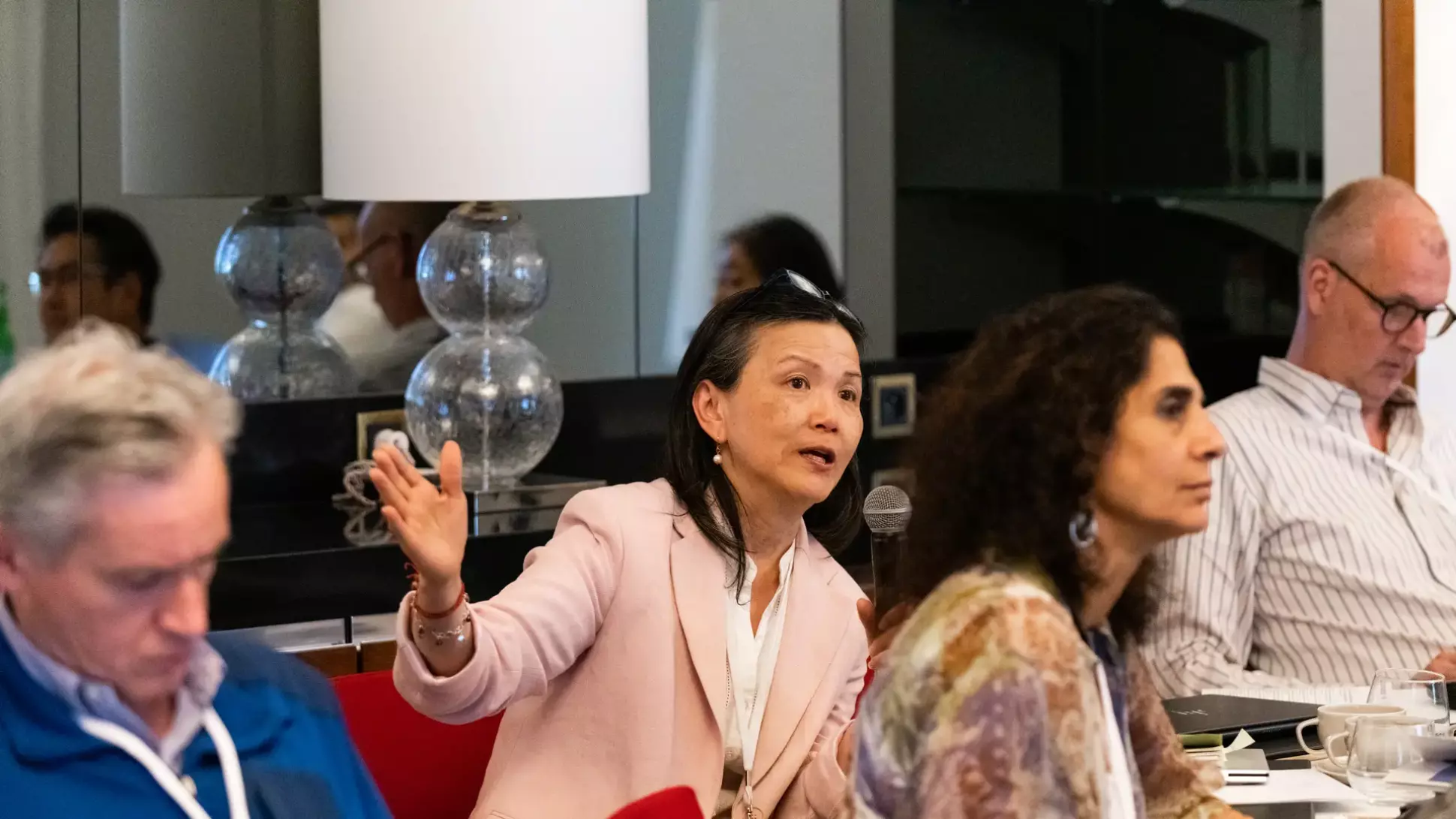
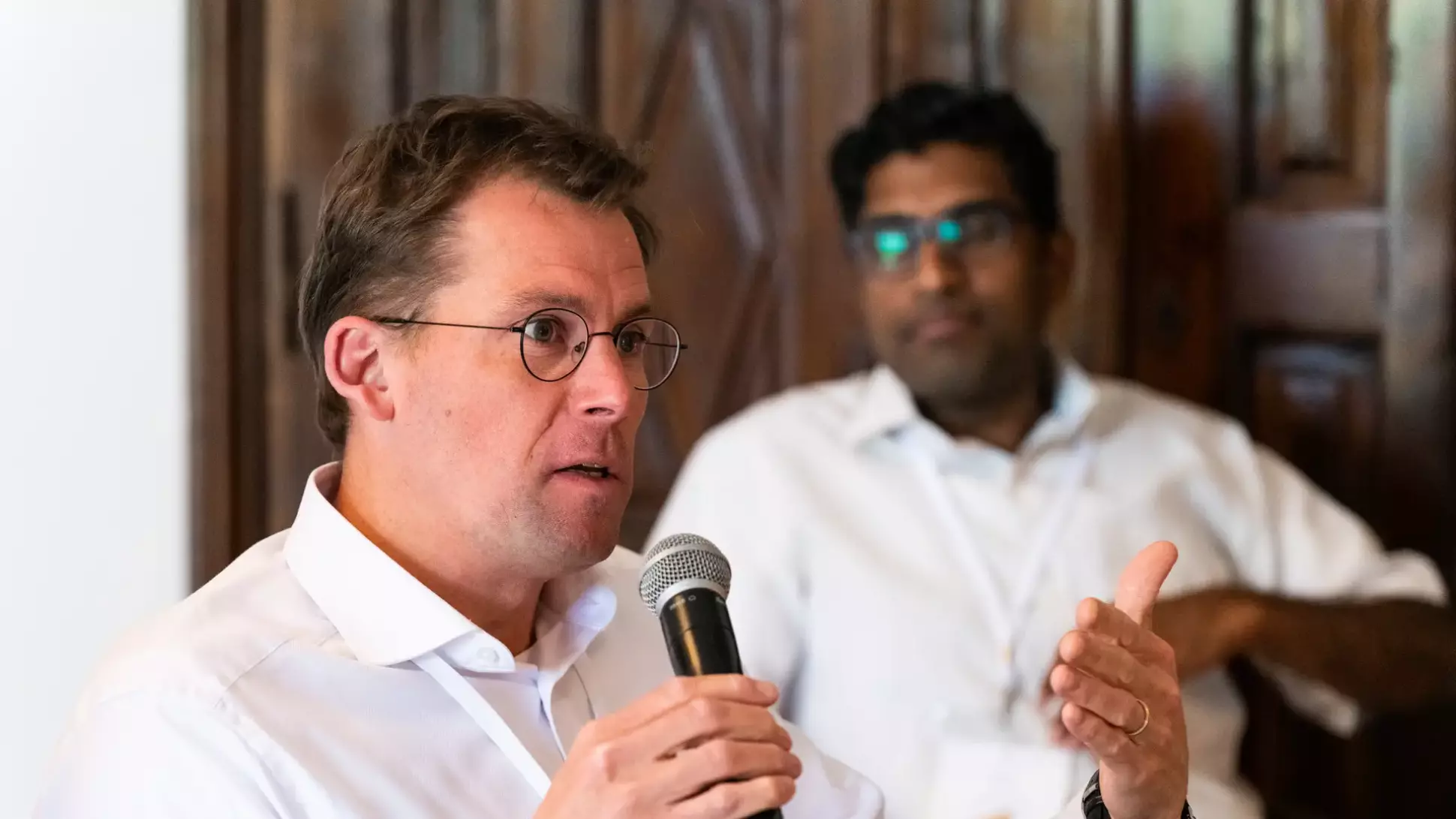
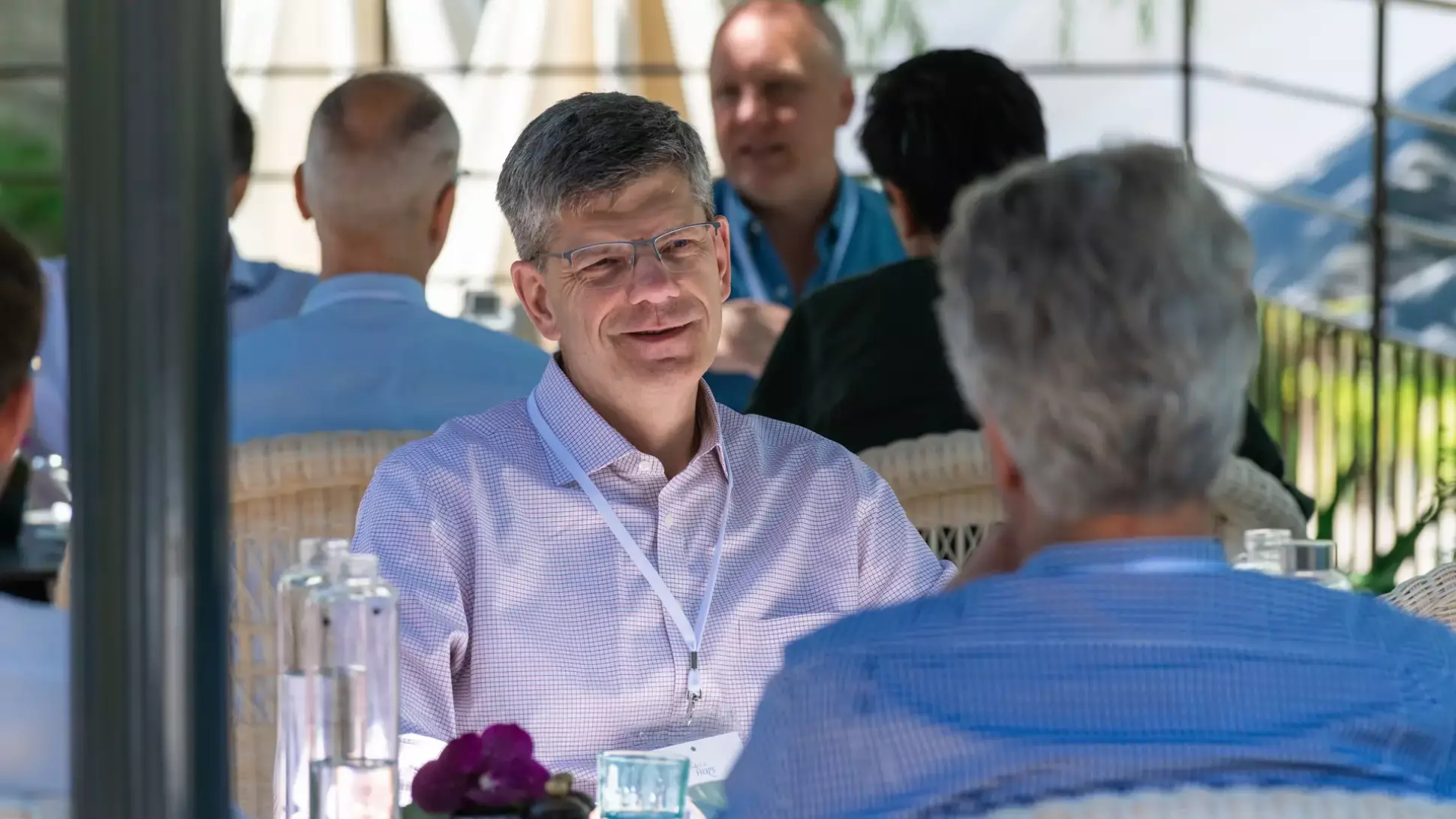
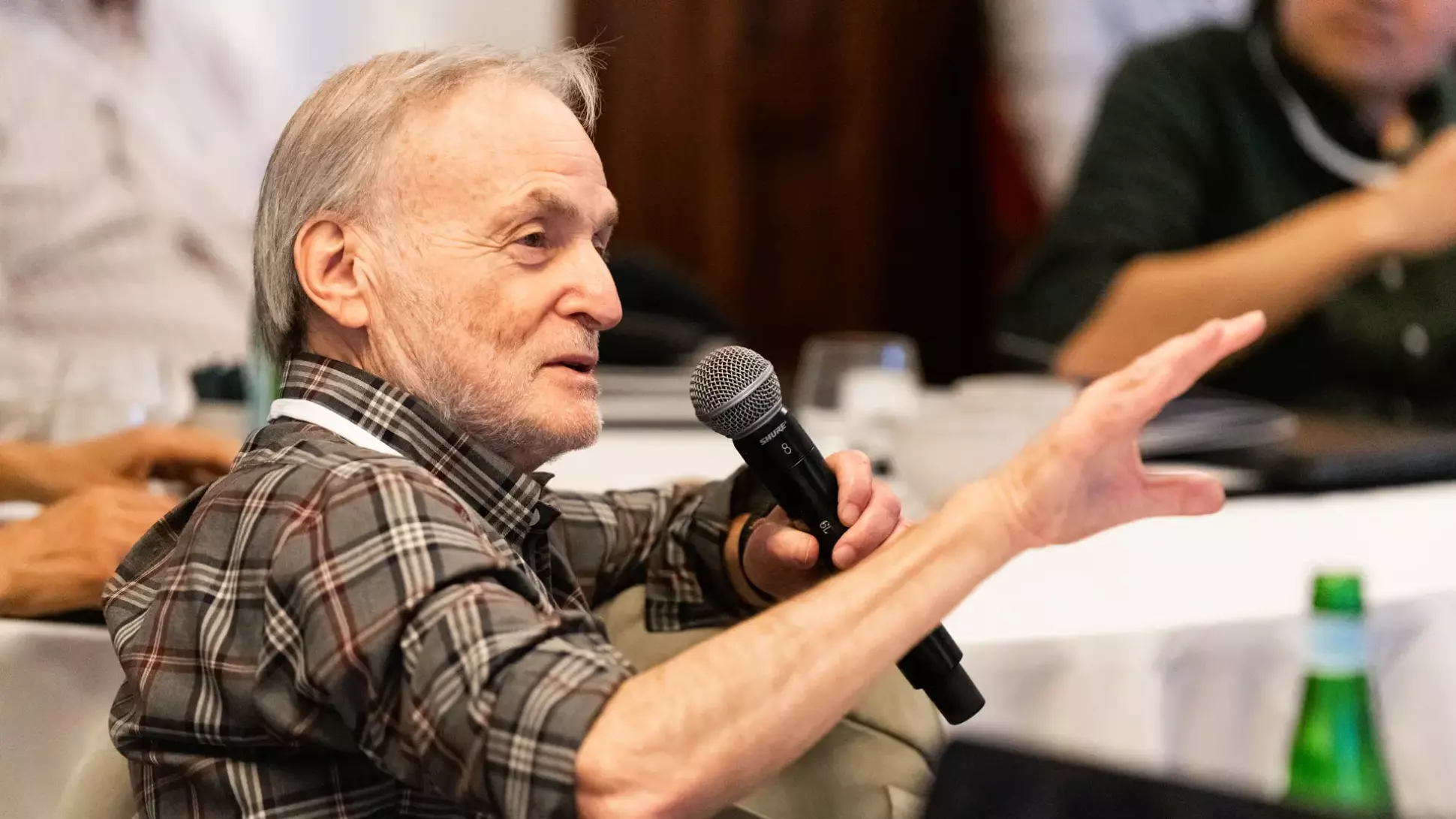
Sous la direction d’Olivier Delattre et de Franck Bourdeaut de l’Institut Curie à Paris, le Symposium SMARCB1 Hope 2023 a rassemblé 30 experts de renommée internationale dans le domaine du cancer SMARCB1 : chercheurs en oncologie, cliniciens, biologistes, immunologistes et généticiens d’Amérique du Nord, du Royaume-Uni et d’Europe.
Pendant trois jours dans le sud de la France, à travers des présentations, des sessions de travail, des discussions ouvertes et des moments de convivialité, les experts ont :
- évalué les progrès – et les échecs – scientifiques depuis la découverte du gène SMARCB1 il y a 25 ans par Olivier Delattre et son équipe à l’Institut Curie à Paris
- exploré de nouvelles approches prometteuses pour le développement de thérapies efficaces
- mis en lumière et discuté des obstacles au développement de nouvelles thérapies
- discuté des priorités futures en matière de recherche qui conduiront au financement privé et public des projets
- semé des graines pour de futures collaborations
Mai 2023 – Saint-Paul-de-Vence, France
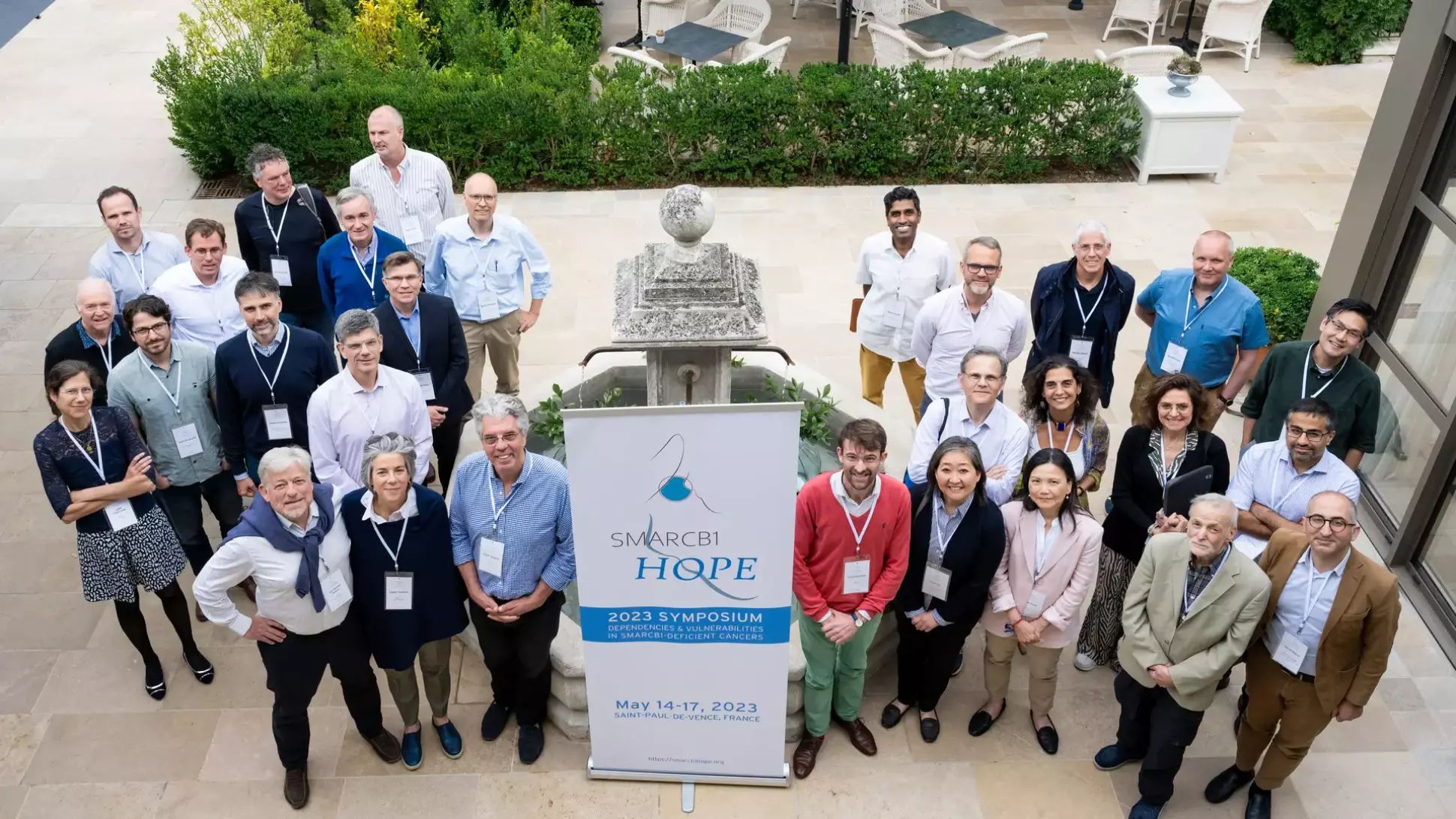
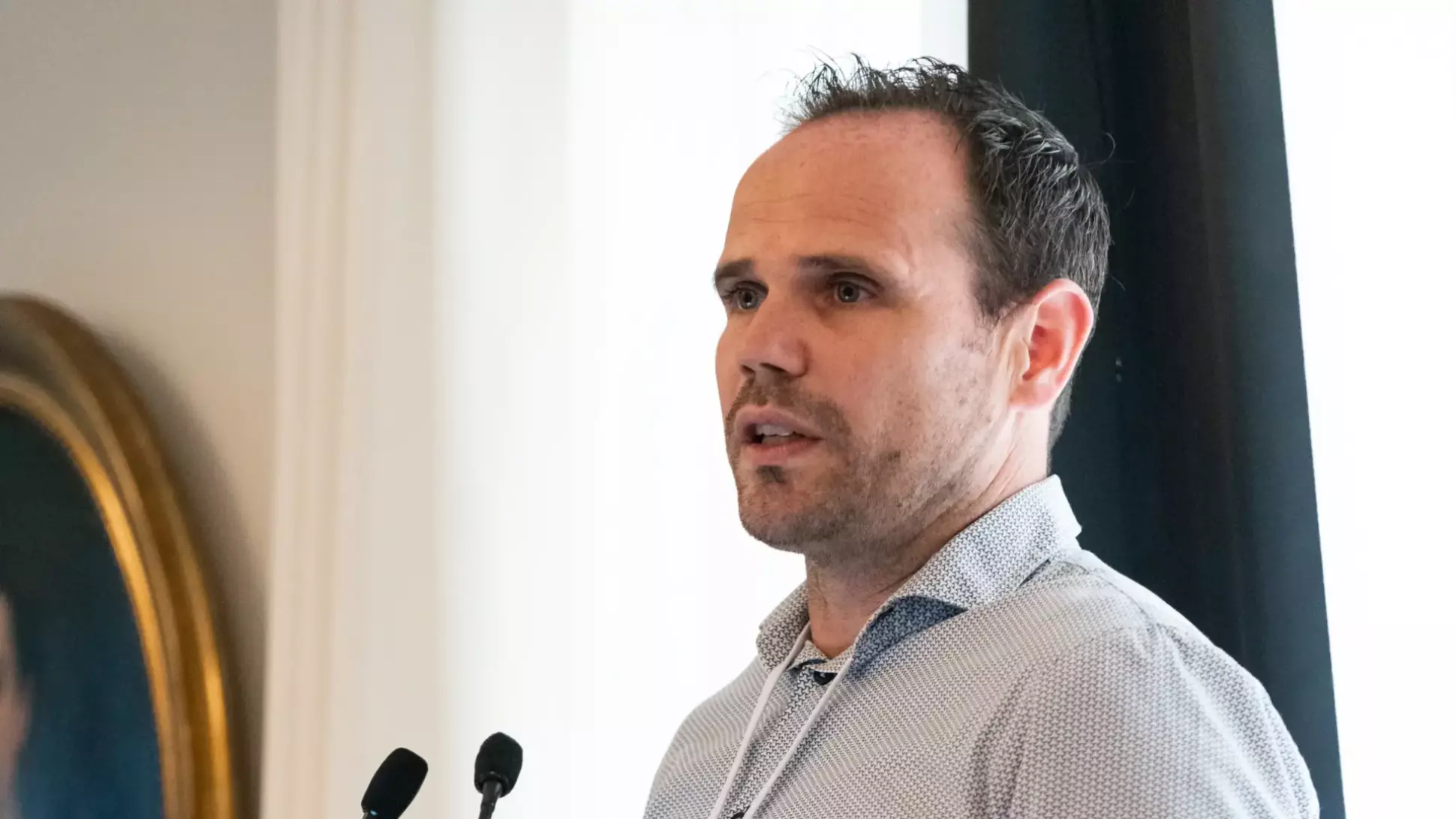
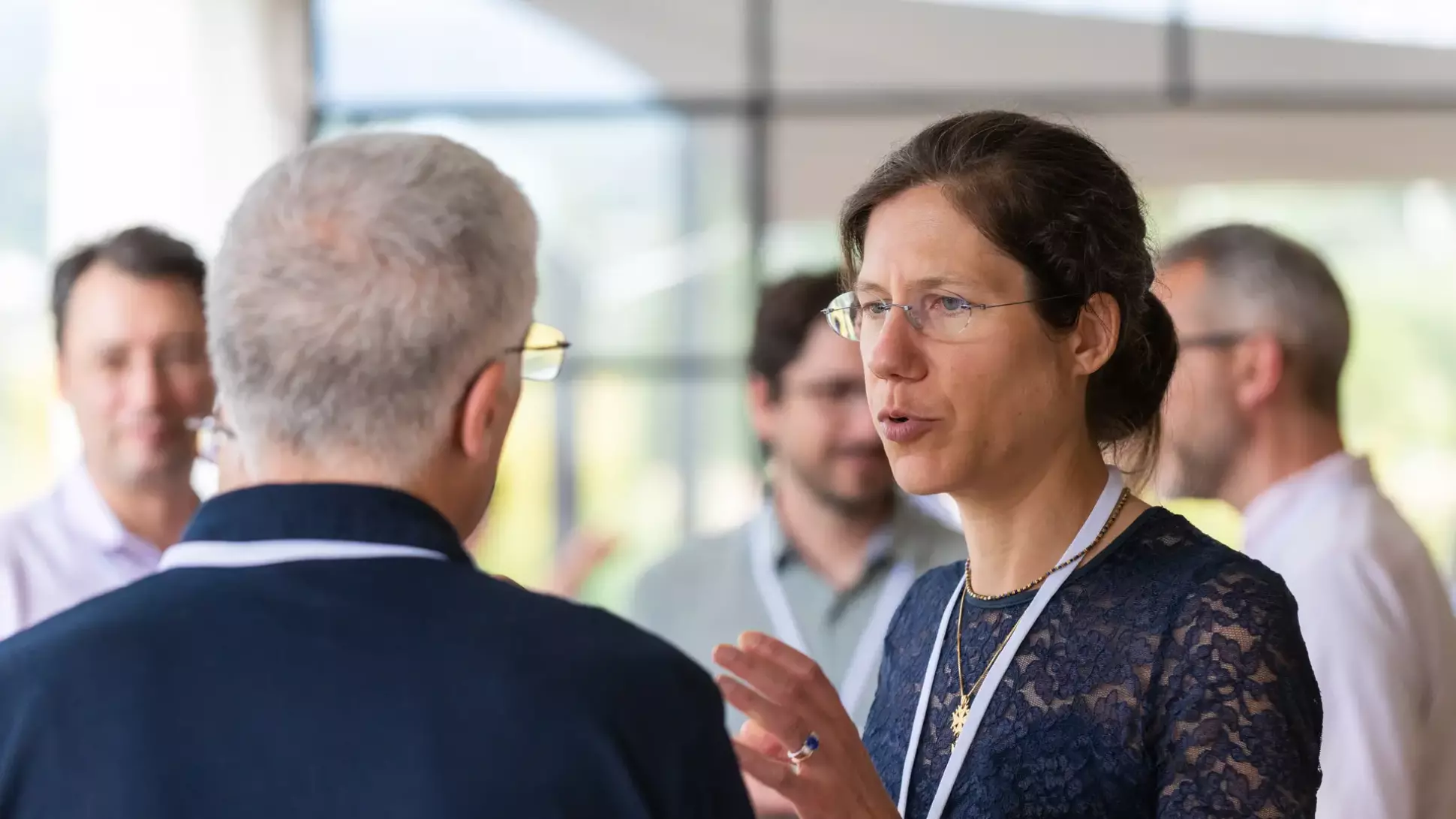
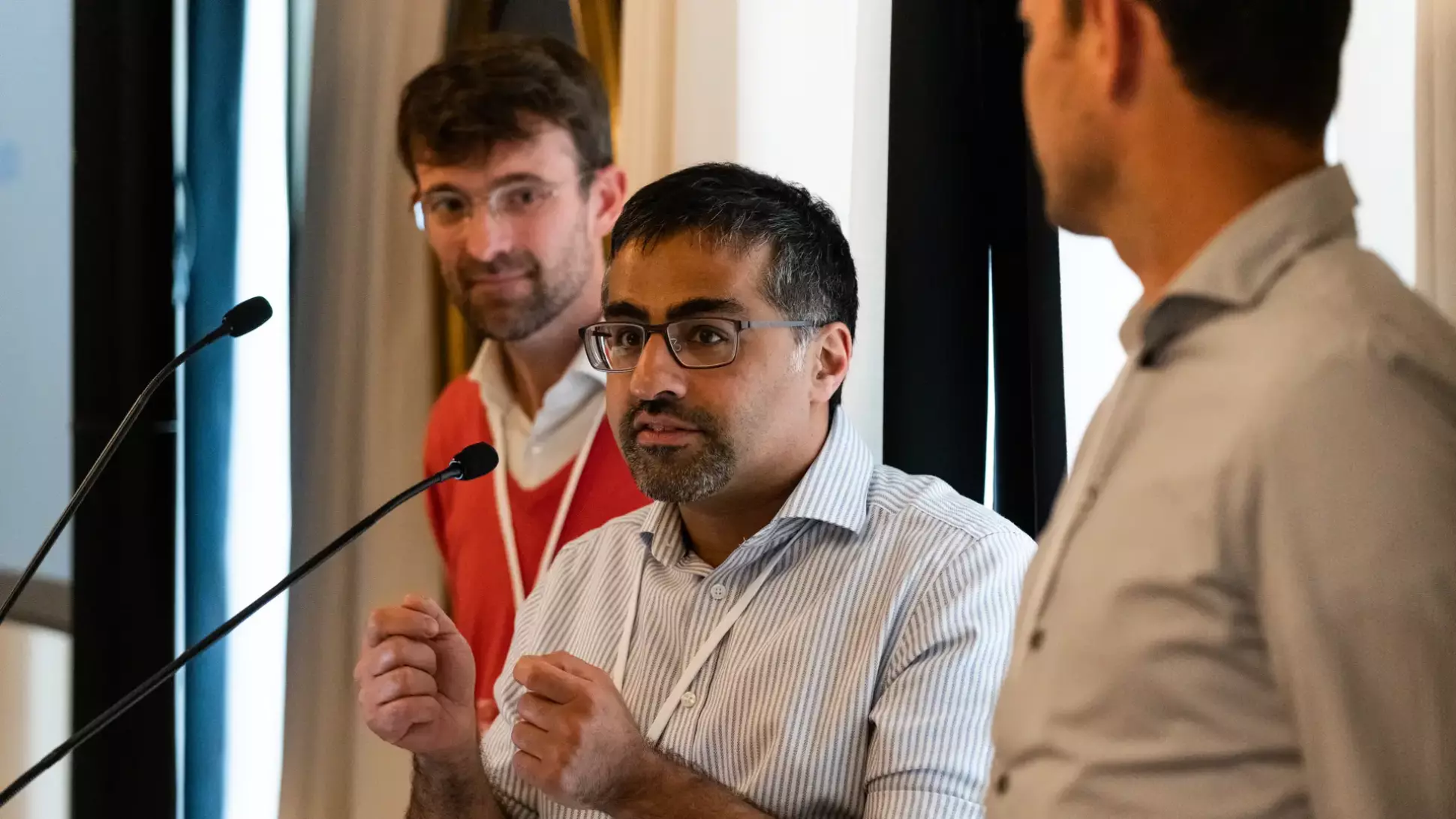
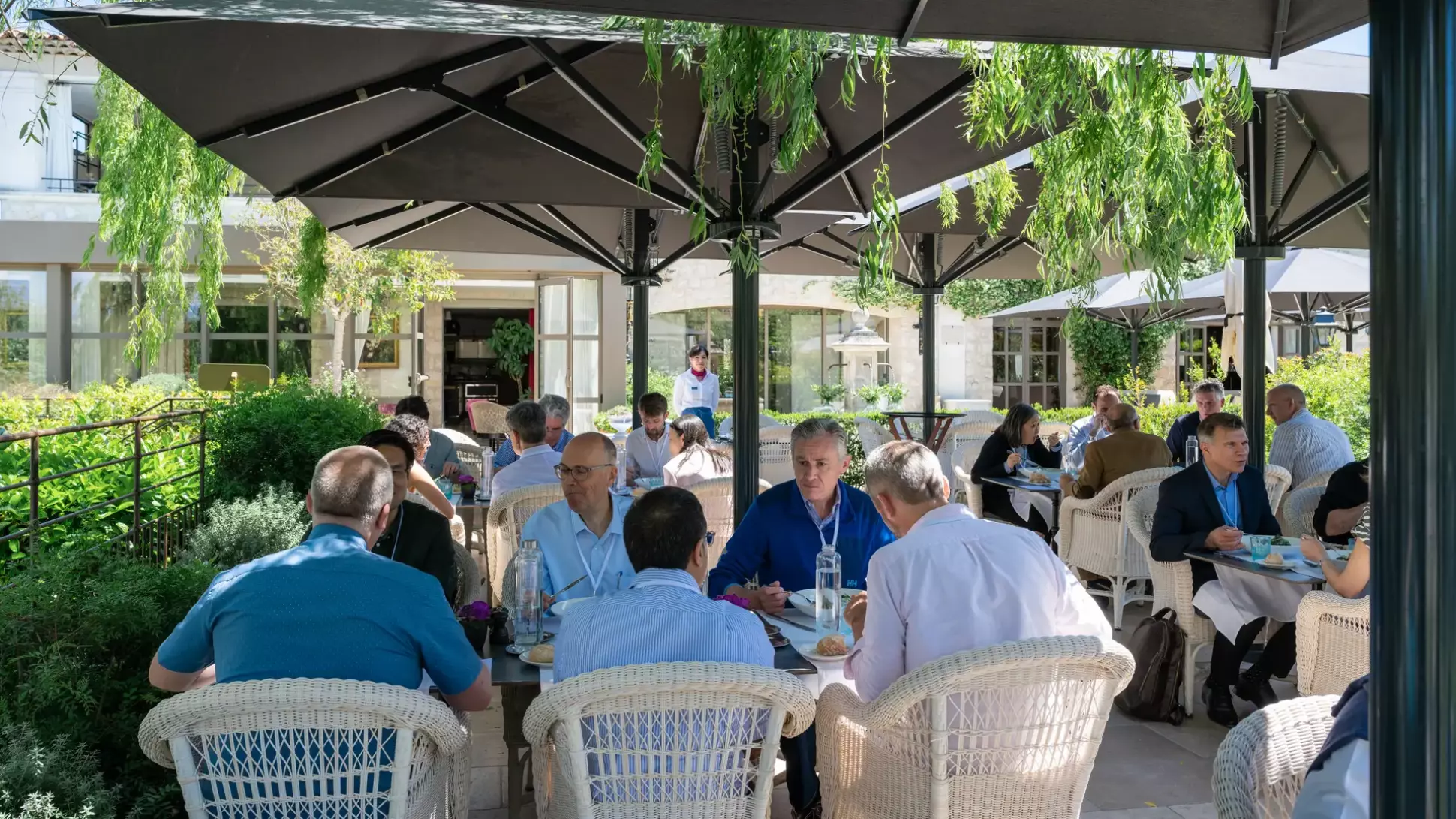
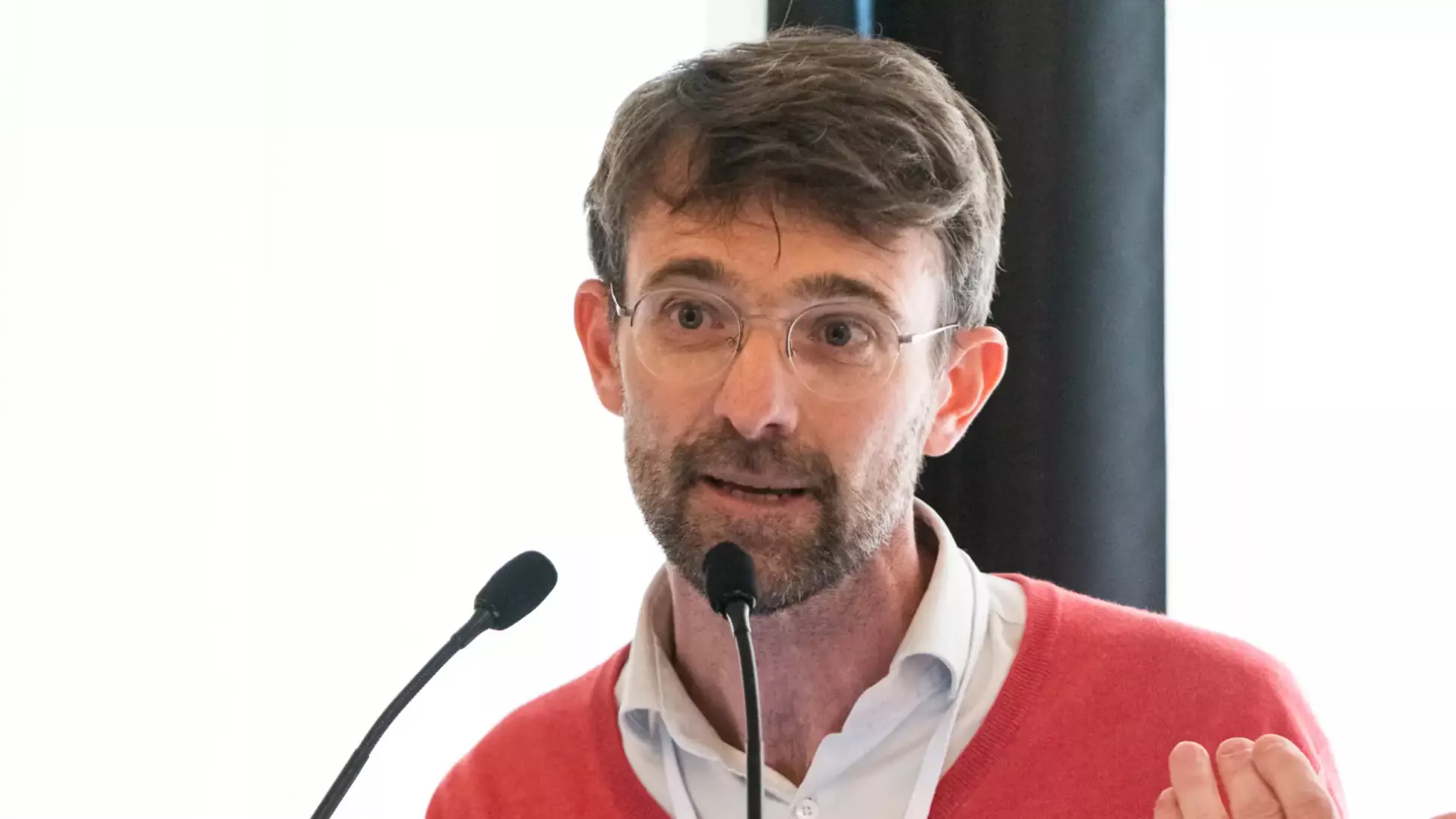
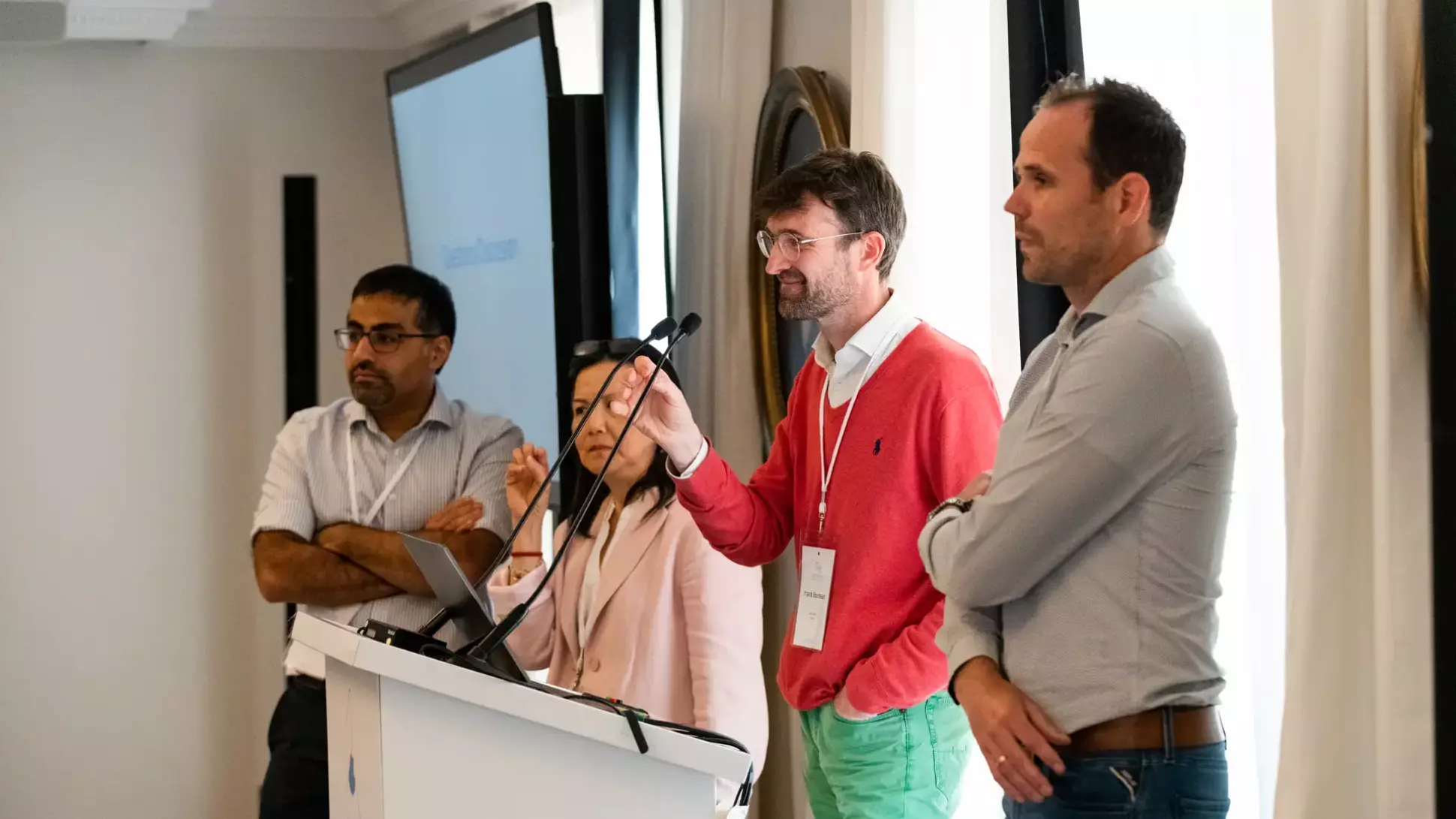
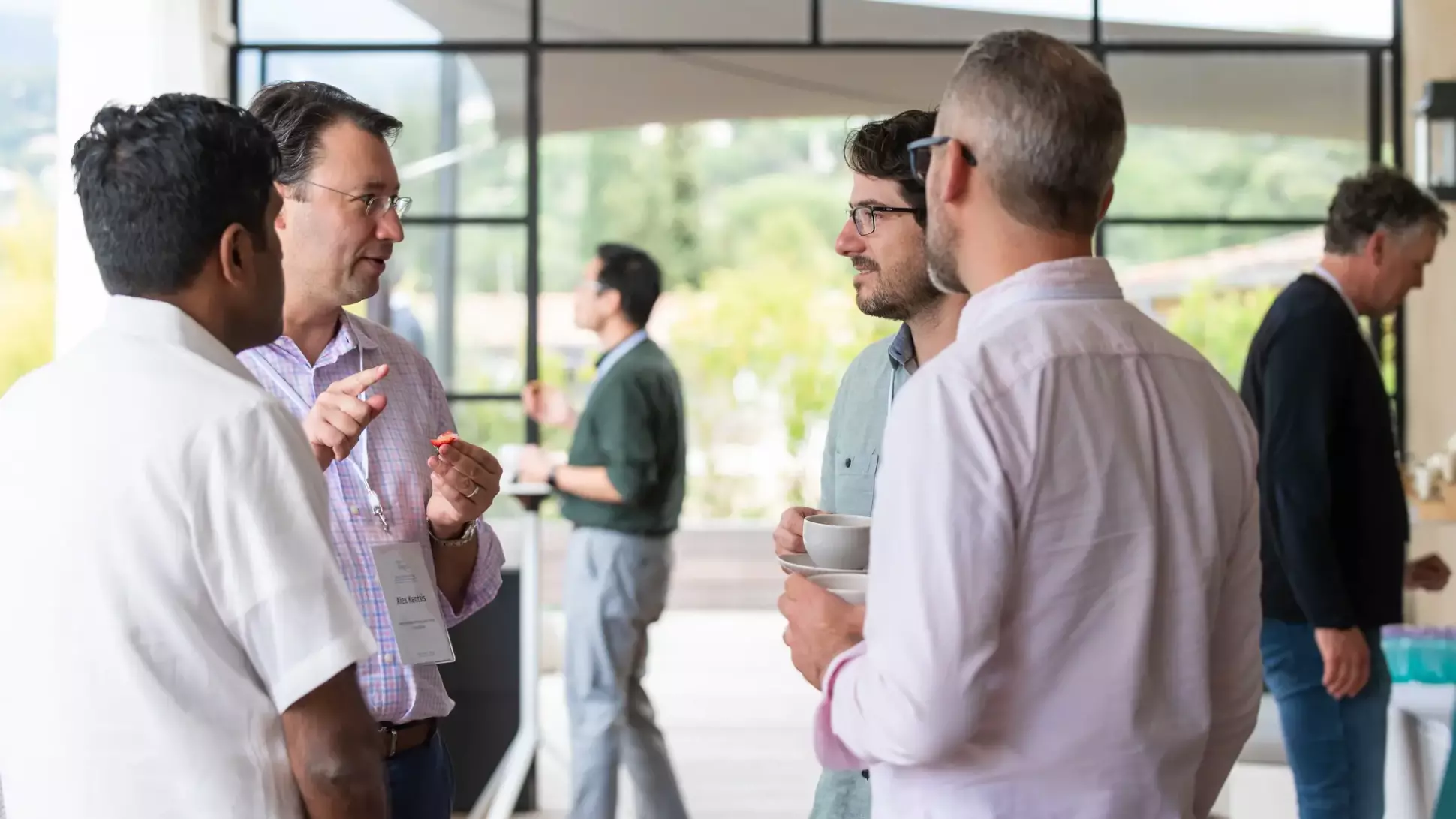
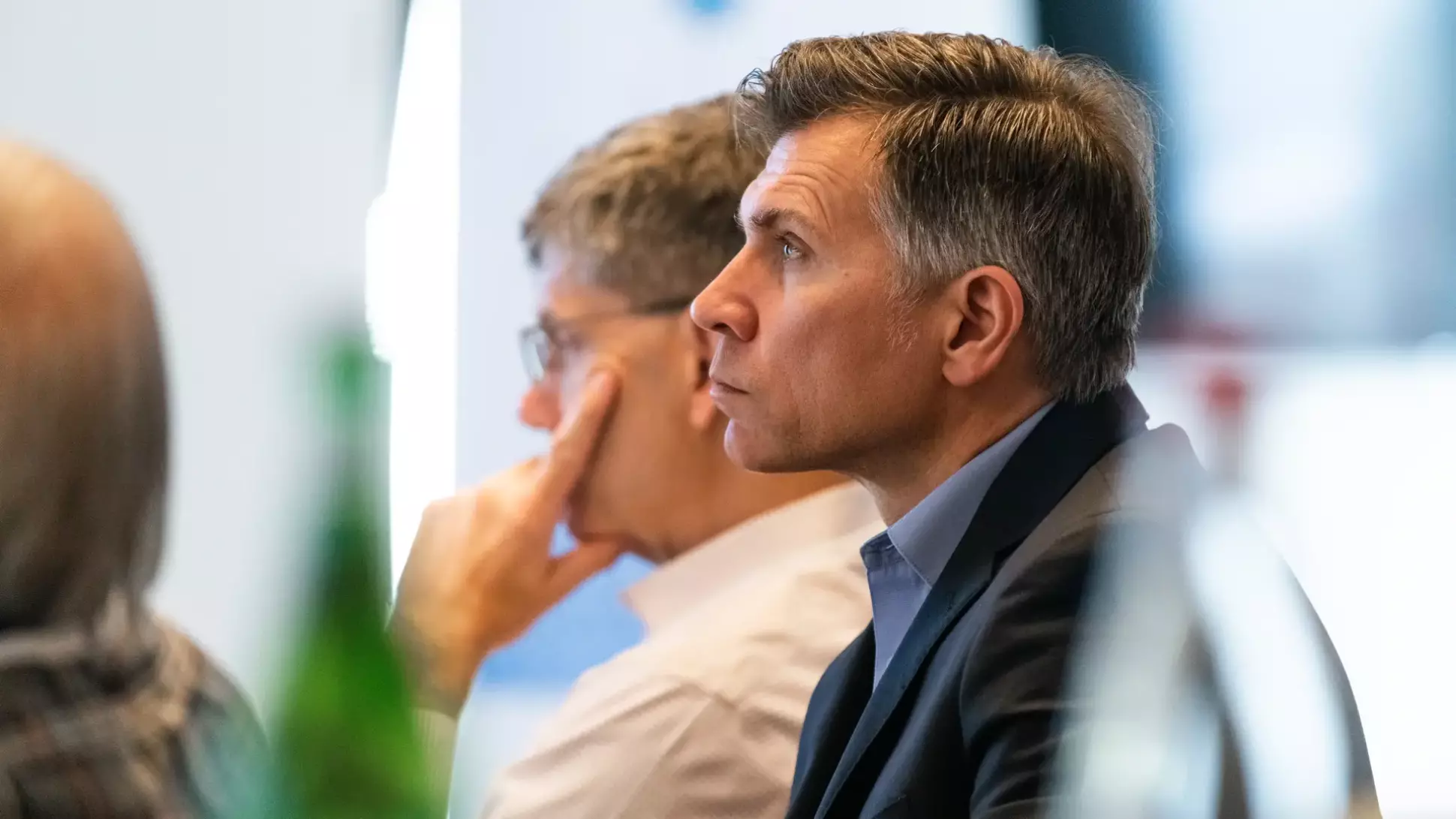
Rencontrez les participants
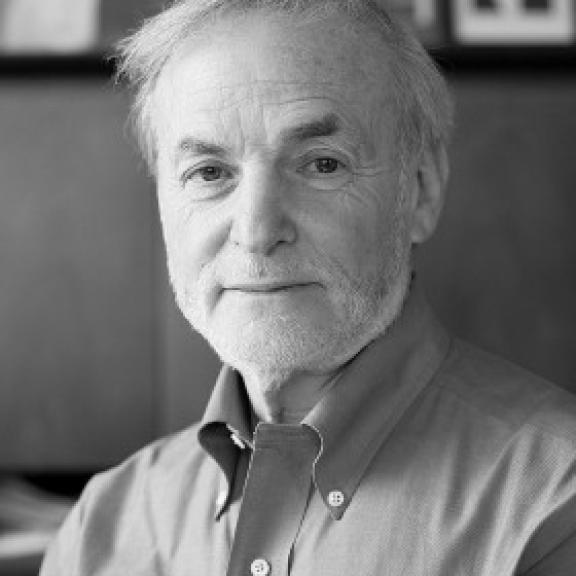
Stephen Baylin
Sidney Kimmel Comprehensive Cancer Center at Johns Hopkins University
(United States)
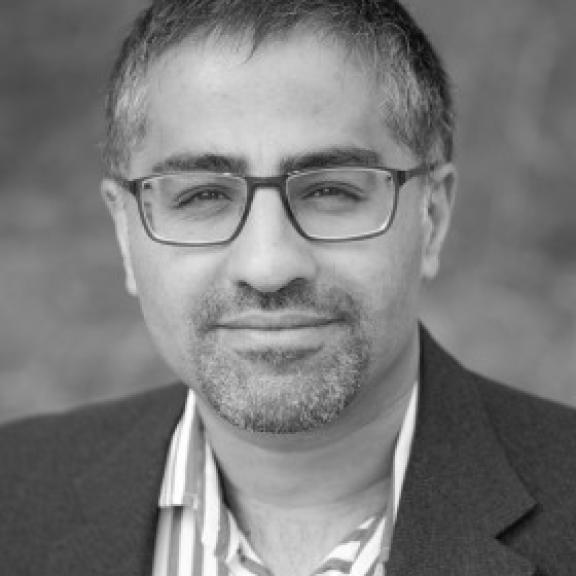
Sam Behjati
Wellcome Sanger Institute
(United Kingdom)
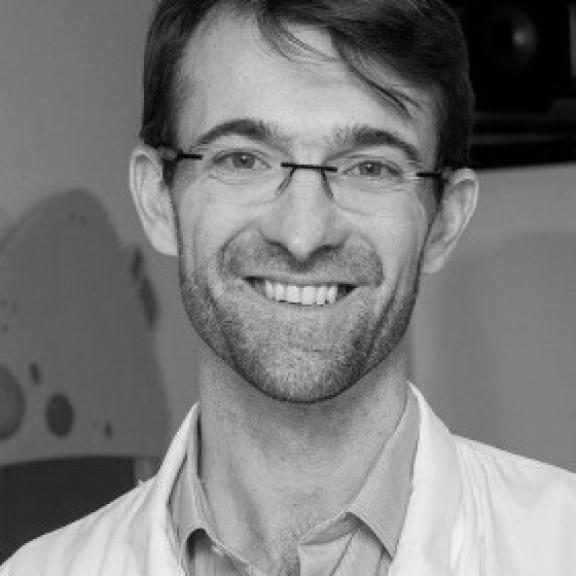
Franck Bourdeaut
Institut Curie
(France)
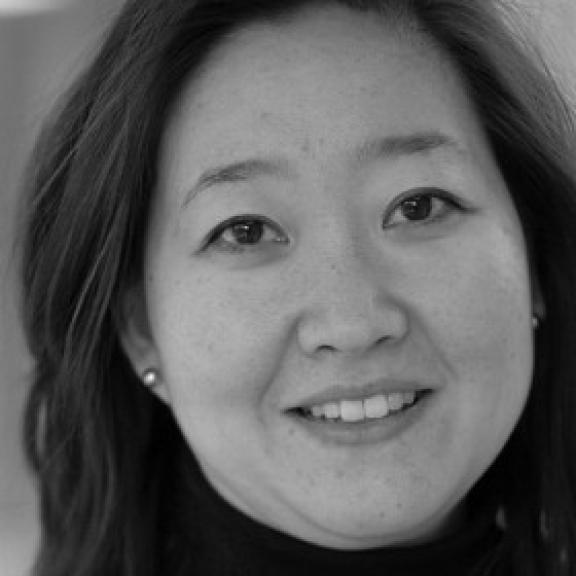
Susan Chi
Dana-Farber Cancer Institute, Harvard Medical School
(United States)
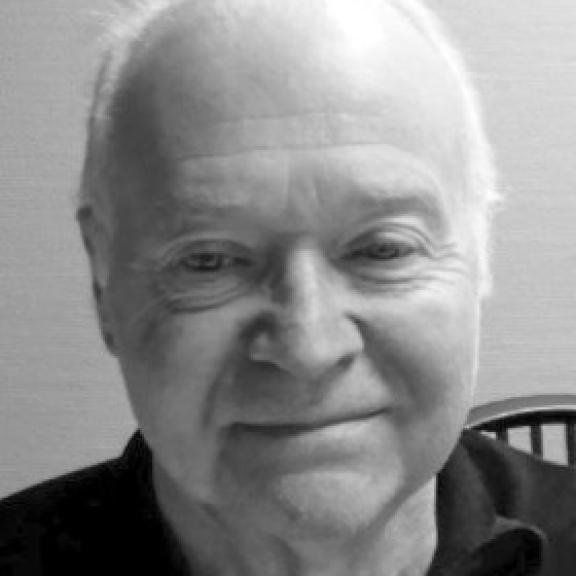
Irwin Davidson
Institut de Génétique et de Biologie Moléculaire et Cellulaire – IGBMC
(France)
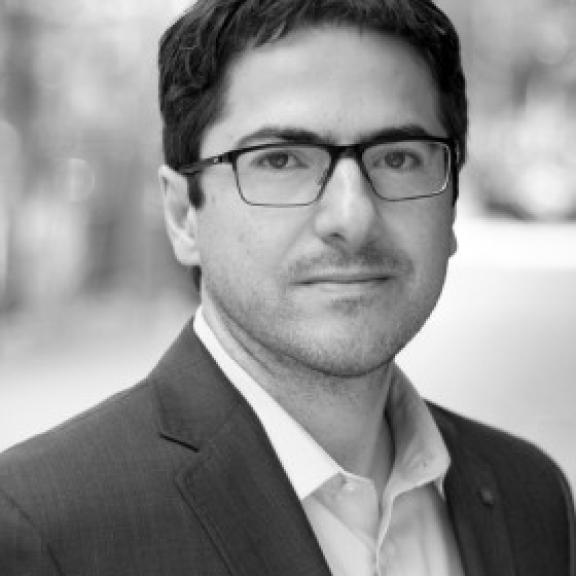
Daniel De Carvalho
Princess Margaret Cancer Centre
(Canada)
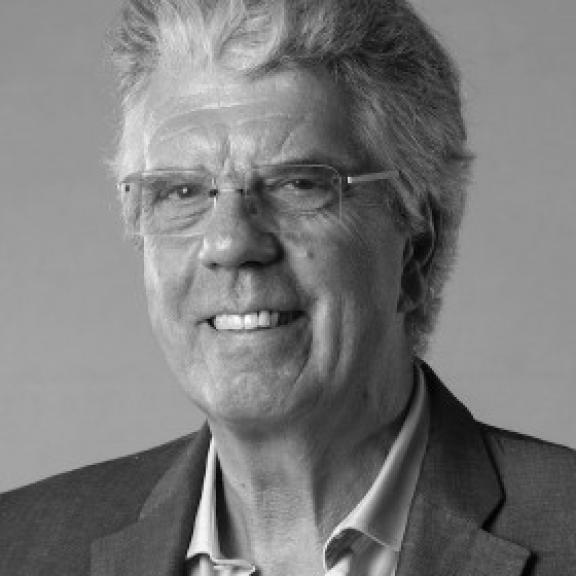
Olivier Delattre
Institut Curie
(France)
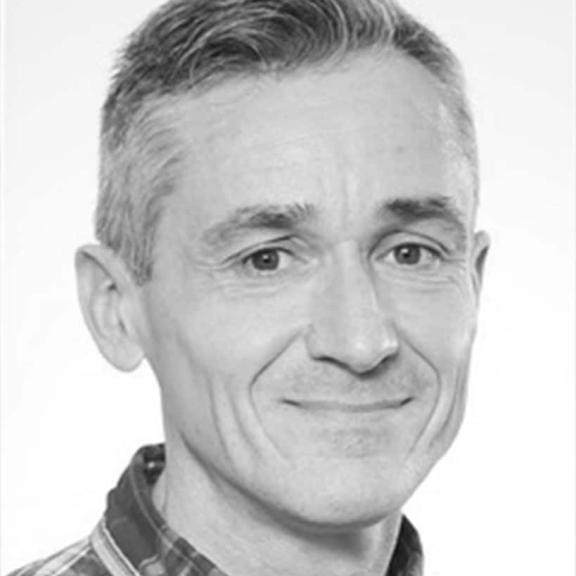
Emmanuel Donnadieu
Institut Cochin
(France)
Jarno Drost
Princess Maxima Center for Pediatric Oncology
(The Netherlands)
William Foulkes
McGill University
(Canada)
Michael Frühwald
University Children’s Hospital Augsburg
(Germany)

Matthieu Gérard
Institute for Integrative Biology of the Cell – I2BC
(France)

Mrinal Gounder
Memorial Sloan Kettering Cancer Center
(United States)
Thomas Grünewald
German Cancer Research Center – DKFZ, Hopp Children’s Cancer Center -KiTZ
(Germany)

Martin Hasselblatt
Institute of Neuropathology, University Hospital Münster
(Germany)
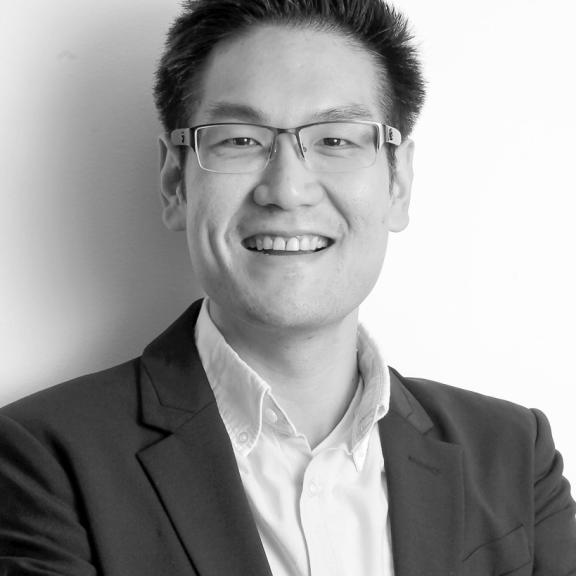
Paul Huang
The Institute of Cancer Research – ICR
(United Kingdom)
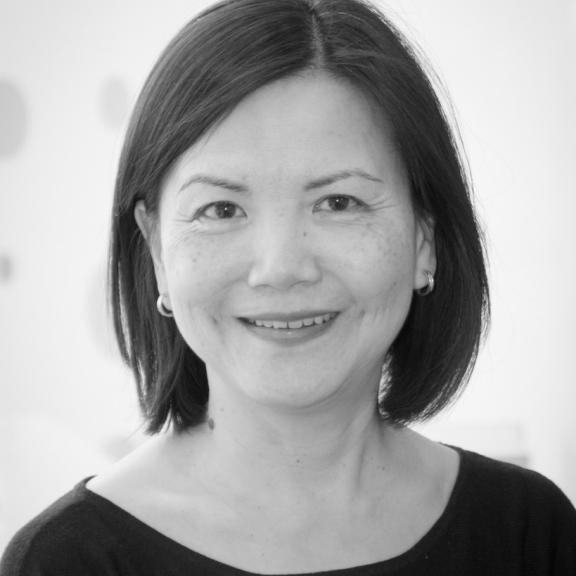
Annie Huang
The Hospital for Sick Children, University of Toronto
(Canada)
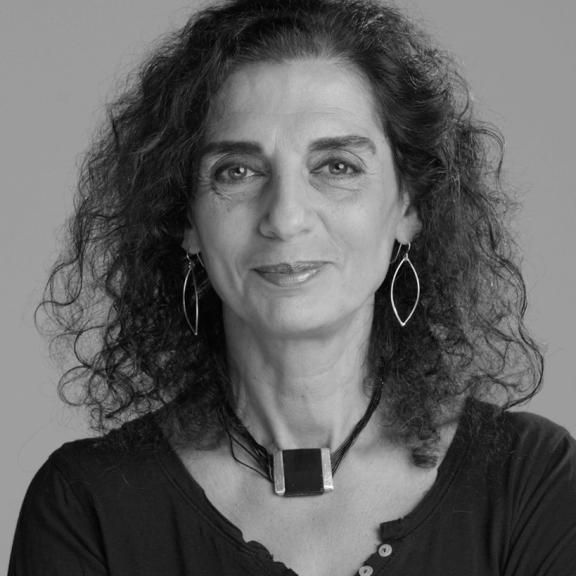
Nada Jabado
McGill University
(Canada)
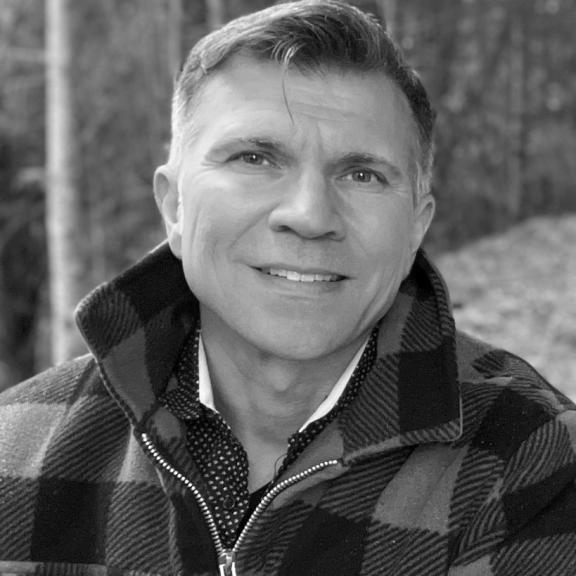
Charles Keller
Children’s Cancer Therapy Development Institute
(United States)
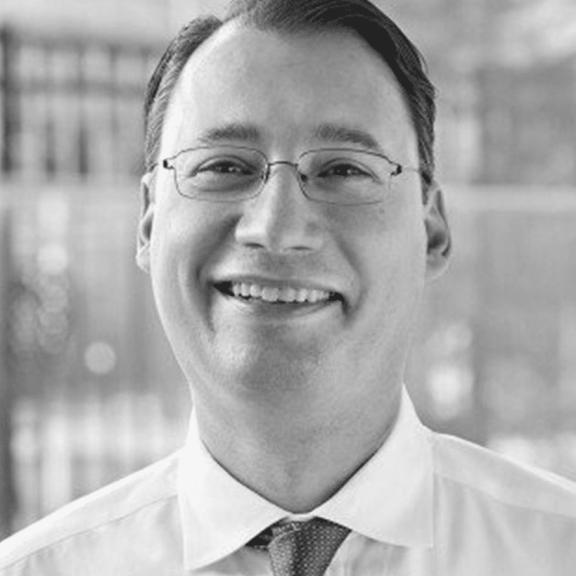
Alex Kentsis
Memorial Sloan Kettering Cancer Center
(United States)
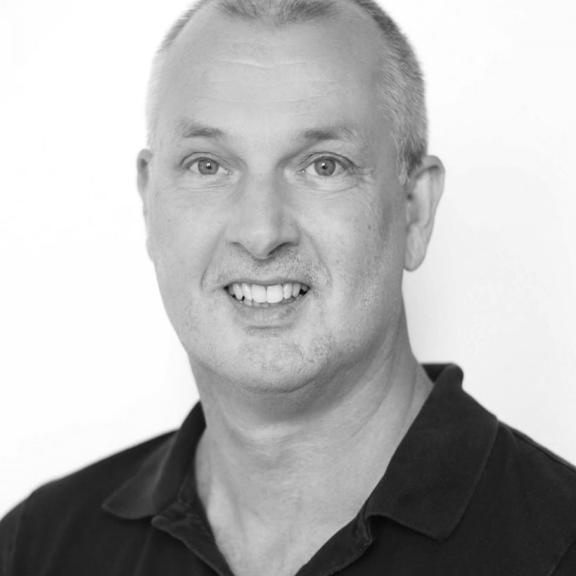
Marcel Kool
Princess Maxima Center for Pediatric Oncology (The Netherlands), German Cancer Research Center – DKFZ, Hopp Children’s Cancer Center -KiTZ
(Germany)
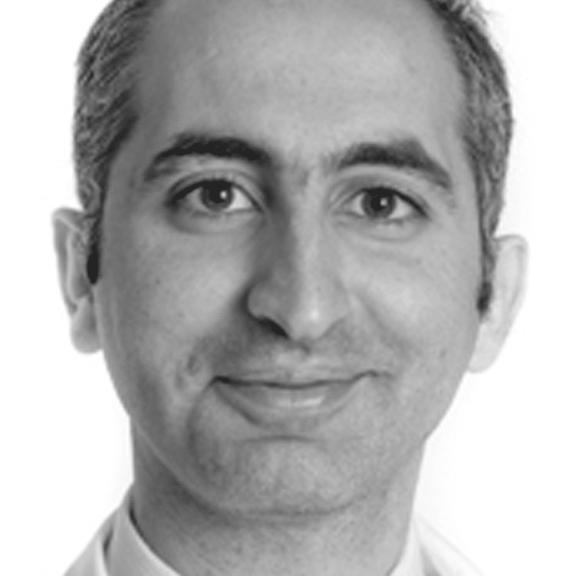
Gabriel Malouf
Institut de Génétique et de Biologie Moléculaire et Cellulaire – IGBMC Institut de Cancérologie de Strasbourg – ICANS
(France)
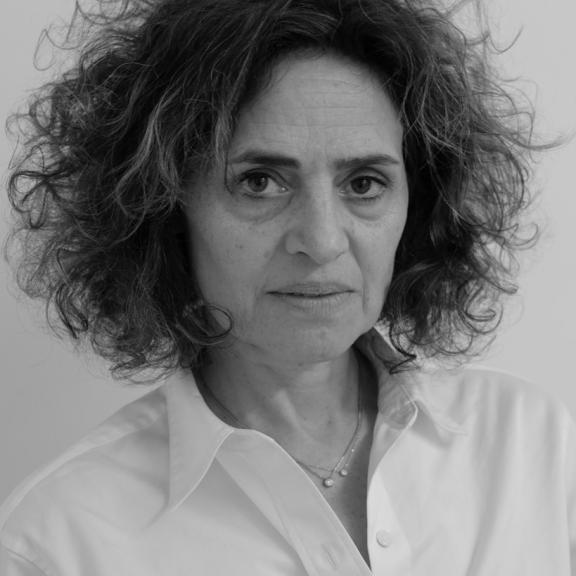
Eliane Piaggio
Institut Curie
(France)
Sophie Postel-Vinay
Gustave Roussy
(France)
Charles Roberts
St. Jude Children’s Research Hospital
(United States)

Ulrich Schüller
University Medical Center Hamburg-Eppendorf
(Germany)
Josh Sommer
Chordoma Foundation
(United States)
David Sourdive
Cellectis
(France & United States)
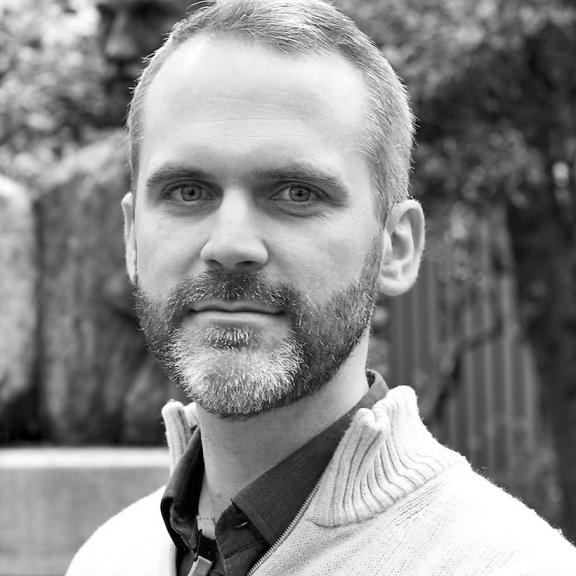
Joshua Waterfall
Institut Curie
(France)
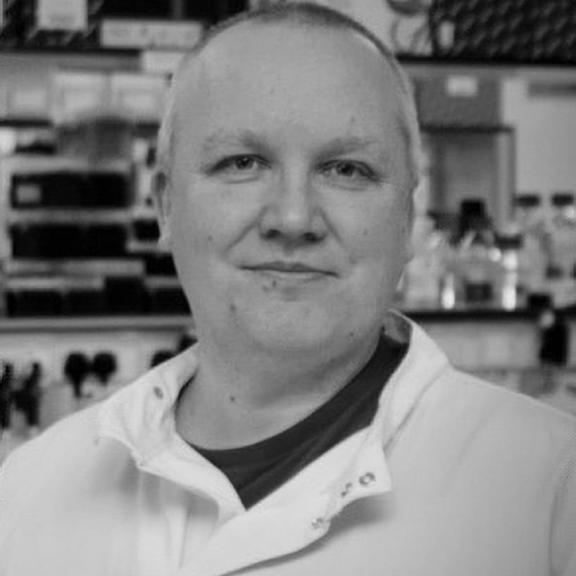
Dan Williamson
Wolfson Children’s Cancer Centre, Newcastle University
(United Kingdom)
Symposium program
Introduction
Olivier Delattre
Historical Background and Challenges Ahead
Chromatin Remodeling & Epigenetics – Towards Therapeutic Interventions
Charles Roberts
SMARCB1-deficient cancers: mechanisms and vulnerabilities
Matthieu Gérard
SMARCB1 and BRG1 generate subnucleosomes that expand transcription factor binding and function at enhancers
Irwin Davidson
BRG1 in oncogenesis, the example of melanoma
Nada Jabado
PRC1, PRC2, BAF and COMPASS complexes: it takes more than 2 to tango in pediatric high grade brain tumors
From Cell-of-Origin to Transformed Cells
Steve Baylin
Roles for abnormal DNA methylation and chromatin remodeling in the origins of human cancer – from cell of origin to transformed cells
Sam Behjati
Phylogenetic approaches to finding the cell of origin of rhabdoid tumors
Jarno Drost
Patient-specific epigenetic reprogramming drives malignant rhabdoid tumorigenesis
Franck Bourdeaut
Cell-of-origin – what mouse models can teach us
Constellation of SMARCB1/A4-deficient Tumors – Overlaps and Specificities
William Foulkes
SMARCA4 – updates on associated phenotypes, plausible treatment targets and available resources
Sophie Postel-Vinay
Epithelioid sarcoma: exploring tumor heterogeneity
Thomas Grünewald
Functional and translational genomics of Epithelioid sarcoma
Charles Keller
Functional genomic analysis of epithelioid sarcoma reveals distinct proximal and distal subtype biology
Martin Hasselblatt
Rare SMARCB1-deficient tumors of the CNS: Misfits or potential clues to a better understanding of rhabdoid tumor biology?
Gabriel Malouf
Role of SMARCB1 alterations in renal medullary carcinomas
Josh Sommer
Accelerating rare cancer research — the Chordoma Foundation experience
Models, Stratification & Perspectives in Therapeutic Targetting
Annie Huang
ATRTs sub-grouping – sufficient for therapeutic stratification?
Marcel Kool
Single cell transcriptional profiling of ATRTs
Paul Huang
The proteomic landscape of SMARCB1-deficient cancers
Dan Williamson
Subgroup/location-independent prognostic signatures and their correlates in Malignant Rhabdoid Tumors
Mrinal Gounder
Clinical Trials in SMARCB1 altered cancers – Past and Future Directions
Alex Kentsis
Overcoming clinical resistance to EZH2 inhibition of rhabdoid tumors using rational epigenetic combination therapy
Susan Chi
EZH2 inhibition: the long journey of pediatric drug development
Michael Fruehwald
Risk stratification in rhabdoid tumors – the need for novel markers AND therapies
Ulrich Schüller
Comparative analysis of matched primary and relapsing atypical teratoid/rhabdoid tumors (AT/RT)
The Tumor Cell in its “Omic” & Microenvironment Contexts
Emmanuel Donnadieu
Imaging of failure and success of CAR T-cells in human tumors
Daniel de Carvalho
Viral mimicry response to EZH2 inhibition in SMARCB1-deficient cancers
Eliane Piaggio
Immunotherapy of RT: a translational approach
Josh Waterfall
Transcriptional dysregulation as a source of tumor specific antigens
David Sourdive
Smart cells : an industrial perspective in adoptive cancer immunotherapy